Event summary
After forming over the Bahamas and crossing Florida, Katrina rapidly intensified in the warm Gulf waters, reaching a Category 5. Though it weakened to a Category 3 before its major landfall, its immense storm surge and heavy rainfall proved catastrophic.
Key impacts and challenges
High death toll: The hurricane and subsequent flooding caused over 1,300 deaths, making it one of the deadliest in U.S. history.
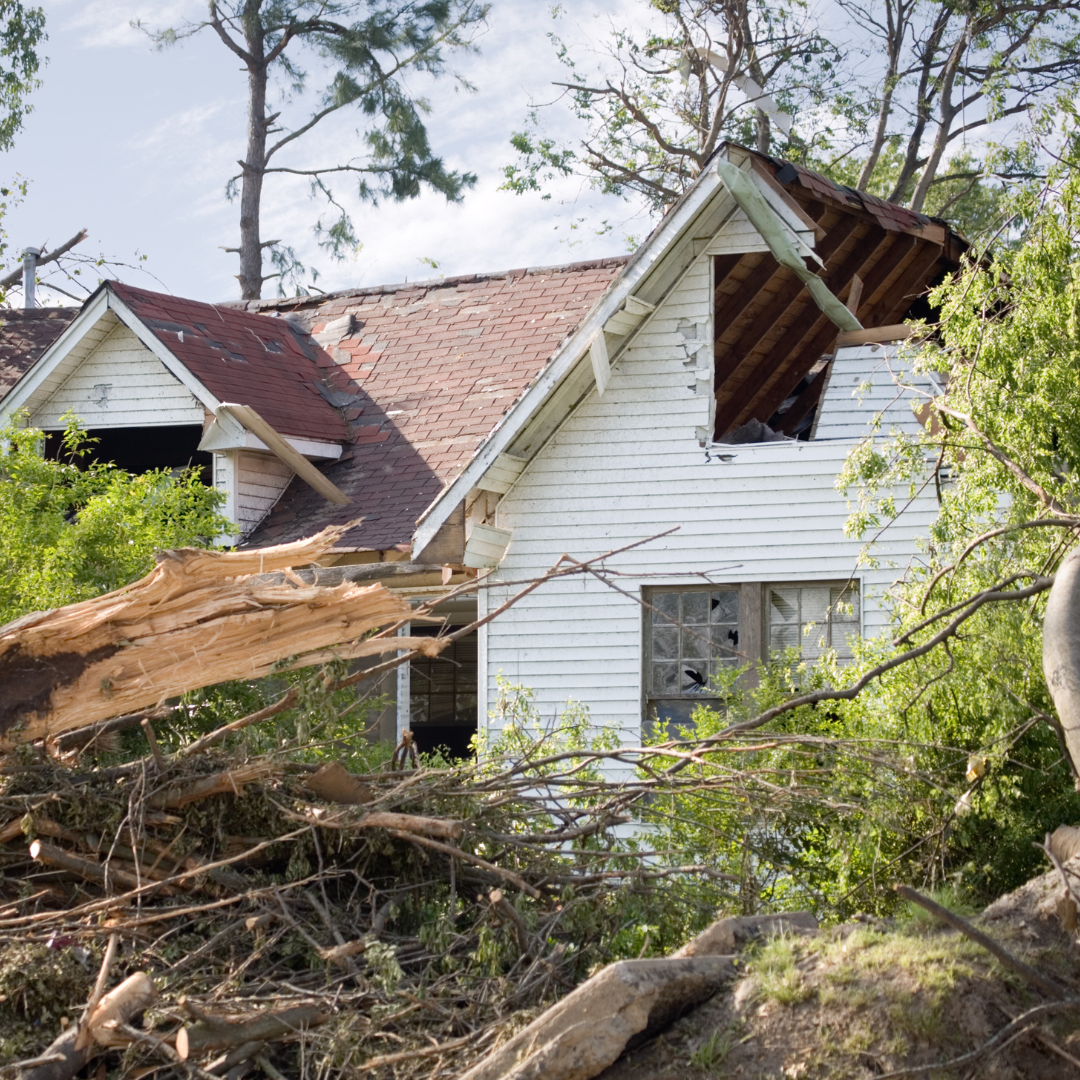
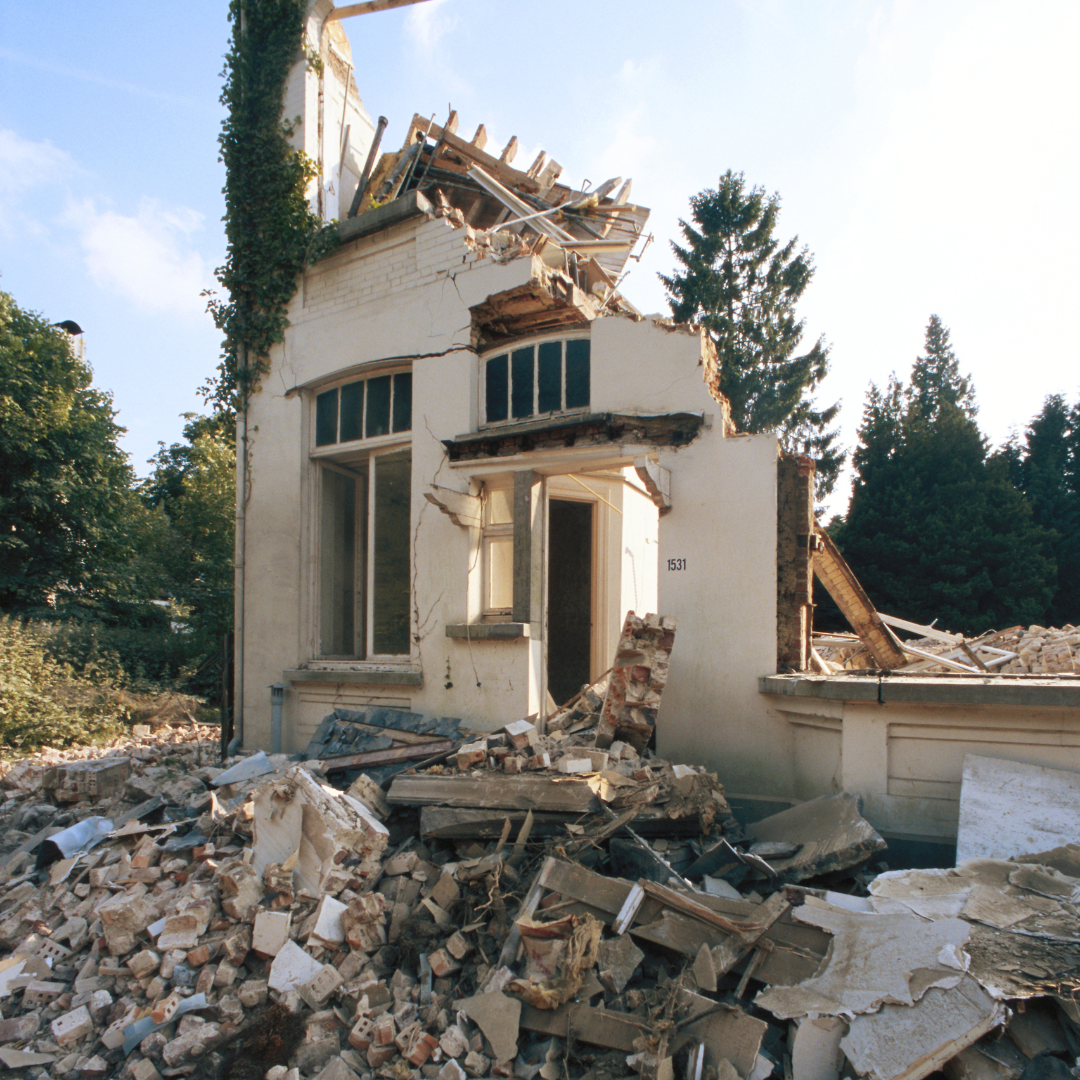
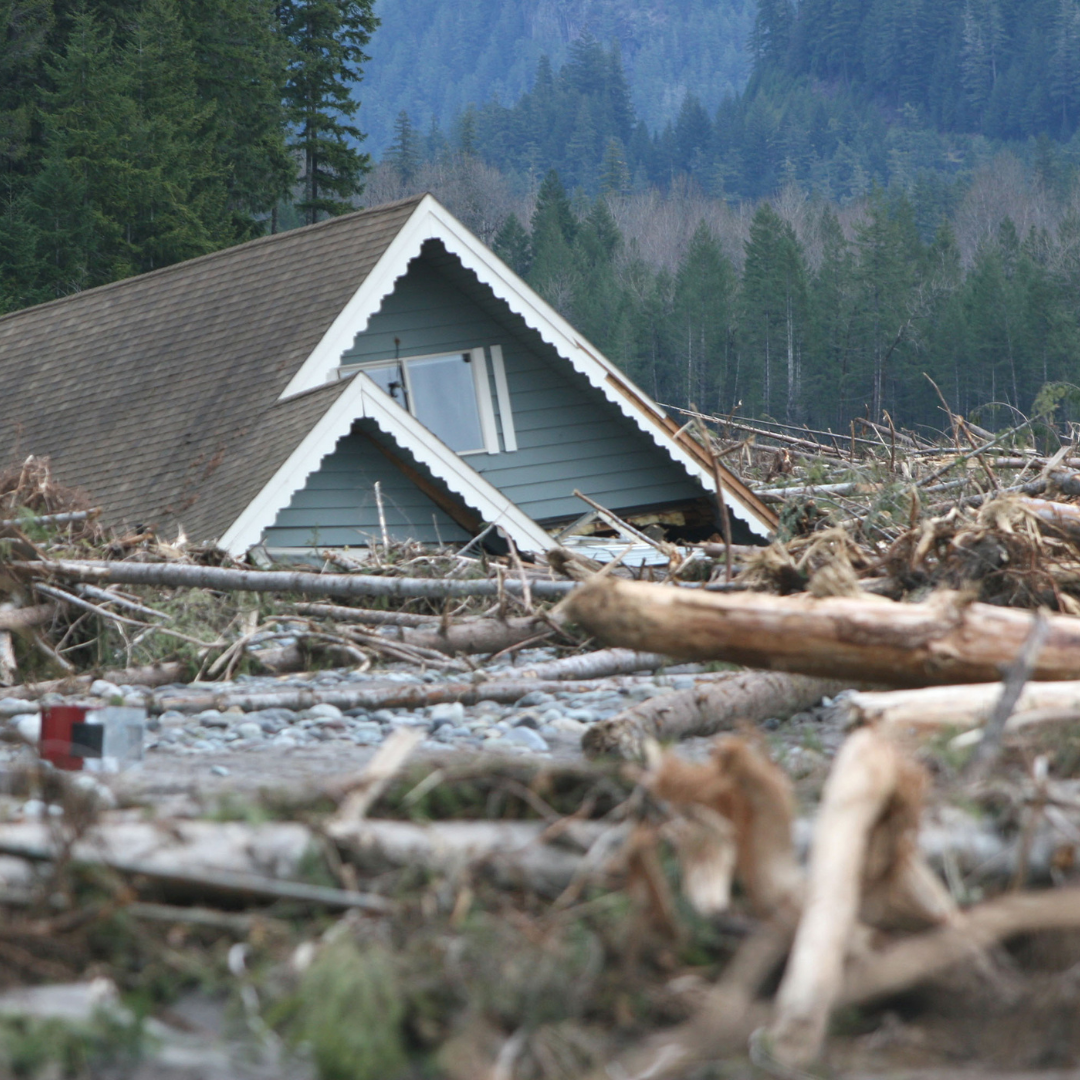
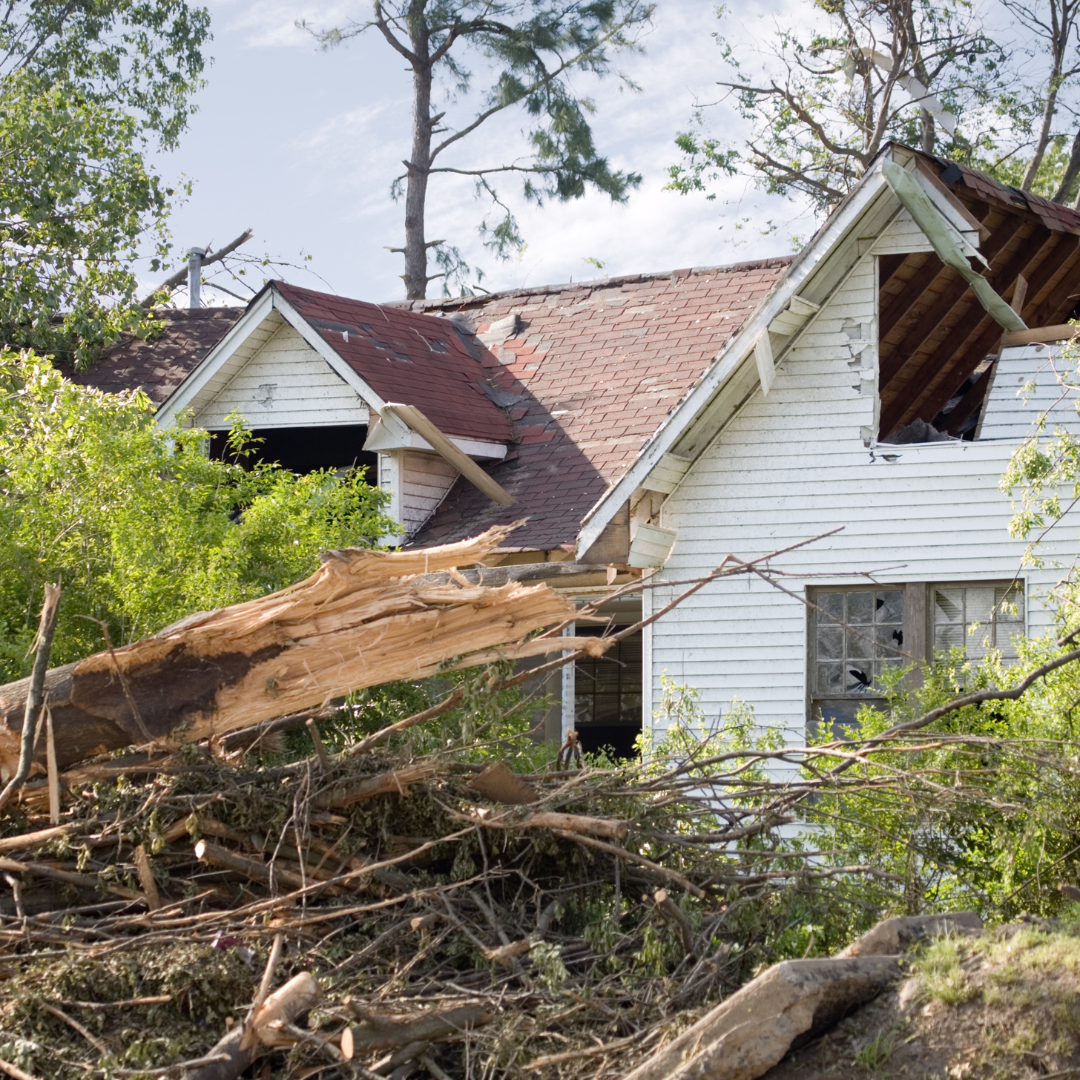
Widespread flooding: A major failure of New Orleans' federally built levee system led to the city becoming 80% submerged. The storm surge reached up to 28 feet in coastal Mississippi, devastating communities like Biloxi and Gulfport.
Mass displacement: More than one million people in Louisiana, Mississippi, and Alabama were displaced from their homes, leading to one of the largest relocations of Americans in U.S. history. Tens of thousands who could not evacuate were left stranded in the city, with some taking refuge in the Louisiana Superdome.
Economic collapse: The storm caused an estimated $125 billion in damages and had a long-term economic impact of over $150 billion. The regional economy was shattered, with hundreds of thousands losing their jobs.
Humanitarian crisis: Tens of thousands who were left behind faced dire conditions, including a lack of food, water, sanitation, and security. Looting became rampant in some neighborhoods. The crisis exposed severe systemic failings in the government's preparedness and response.
Difficult recovery
The recovery from Katrina was difficult and prolonged, lasting for years and altering the region's demographics.
Long-term mental and physical health issues: Studies documented a lasting increase in mental and physical health problems among low-income survivors, including elevated rates of PTSD.
Discrimination in rebuilding efforts: The federal "Road Home" program, intended to help homeowners, was criticized for deepening inequalities. Because payments were based on a home's pre-storm value rather than the cost to rebuild, homeowners in lower-income, predominantly Black neighborhoods received less money and struggled to recover.
Affordable housing crisis: The destruction of rental units and public housing, combined with rising rents during reconstruction, made it difficult for many displaced residents to return. New Orleans' population remains significantly smaller than its pre-Katrina size.
Ongoing vulnerabilities: Even with a $14.6 billion improved flood protection system, the risk of future hurricanes and the continued loss of Louisiana's protective wetlands remain a constant threat.